
Google Ads for Your Business.
We’ve managed 200+ accounts across Google Ads, Meta Ads, and GA4 Analytics - every industry, every budget size. We’ve seen every mistake. Yours probably isn’t new, and we already know how to fix it. No long-term contracts. Cancel any time. See how it plays out in our case studies.

Here’s what you get
Google Ads
- Conversion tracking
- Keyword research
- Landing page consultancy
- A/B testing
- Claude Code AI automations
- Daily optimisations
Meta Ads
- Meta Pixel
- Campaign creation
- Audience research
- Competitor analysis
- Daily optimisations
- A/B testing
Analytics (GA4 & GTM)
- Remarket users
- Conversion tracking
- Lead-gen profit tracking
- CRM integration
- Custom reporting dashboards
- Form tracking
How It Works
We review your current setup, identify where budget is being wasted, and tell you exactly what we’d do differently. No pitch, no pressure - just an honest assessment.
Based on your budget, industry, and goals, we build a campaign structure designed to generate revenue - not just clicks and impressions.
We manage your campaigns daily, optimise based on real data, and send clear weekly reports. You always know what’s happening and why.
Hi, I’m Roman



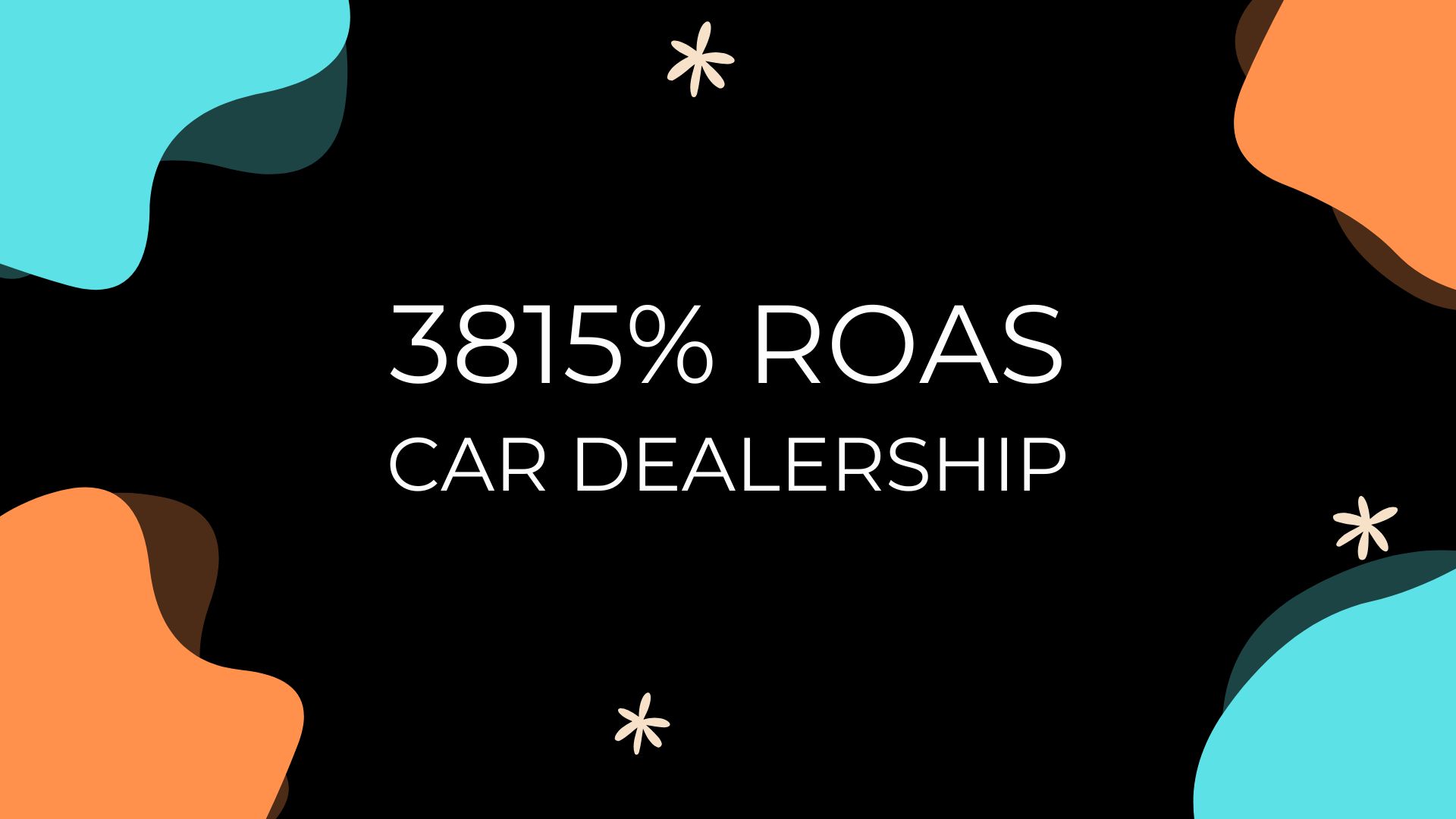
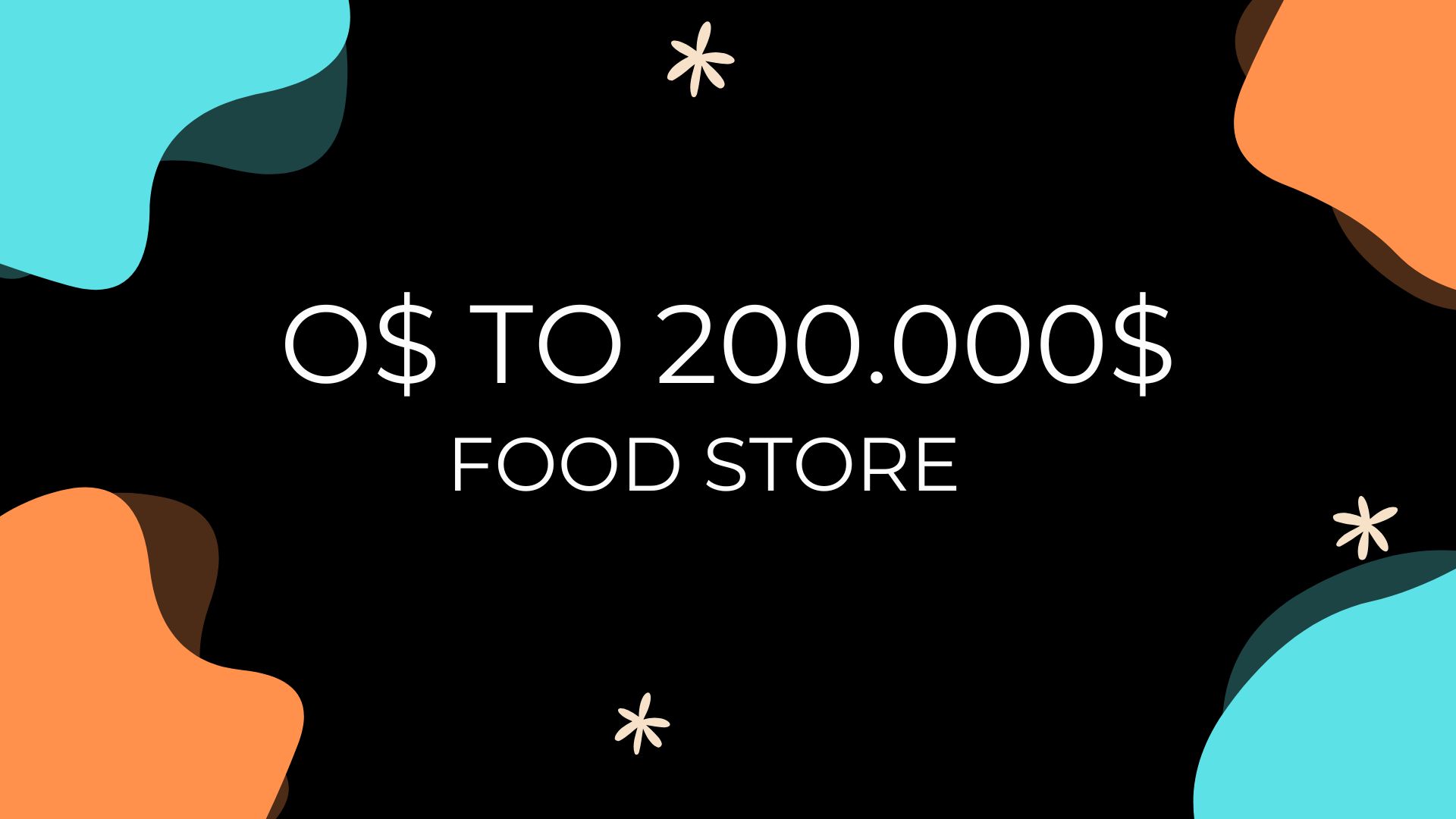
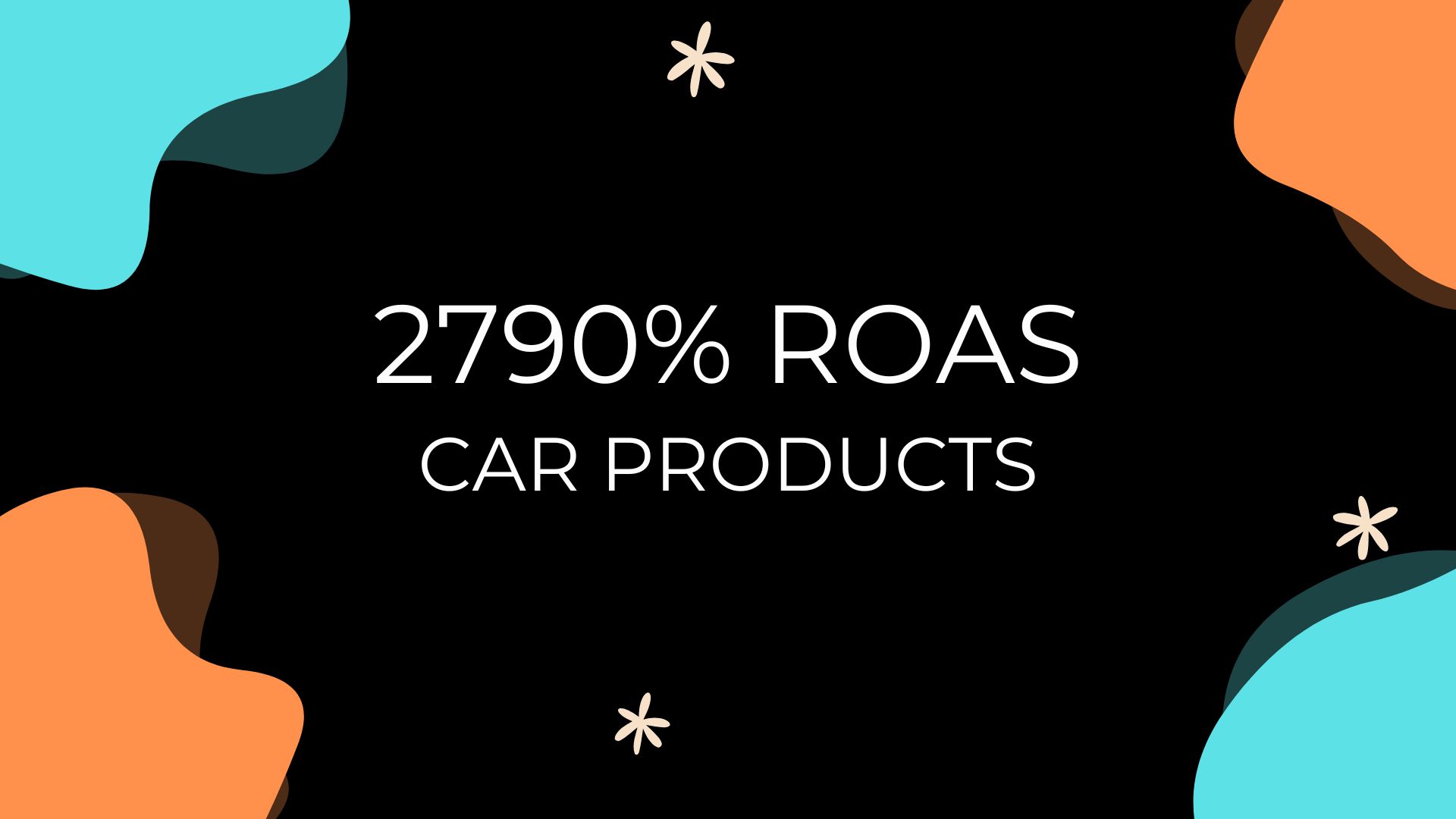
I’ve built a community of 2,000+ people on our YouTube channel, 55Digital, sharing real case studies and the strategy behind our campaigns. It started in childhood with Instagram pages and Meta ads - today that’s grown into a full-service agency covering Google Ads, Meta Ads, Email Marketing, and SEO.
We’re big on transparency - using Ray Dalio’s issue-log method to keep improving, and treating every client relationship as a partnership. Hope to meet you on our onboarding call!
Latest from our YouTube channel
Real case studies and campaign breakdowns - our 3 most recent uploads.
See all videos on YouTube →


What clients say
“Top-notch service from start to finish. 55Digital helped us build a stronger online presence with a website SEO and digital strategy. They’re knowledgeable, efficient, and really care about delivering results. Our online leads have doubled, and the website looks brilliant. We’ll definitely be using them again! Thanks Roman and team.”
 MaiaPoland
“Roman has dealt with our Google Ads and website SEO and has been fantastic! He is extremely knowledgable and thorough, and kept us informed throughout. I highly recommend Roman and 55Digital.”
 JackCanada
“Meeting and working with Roman was both refreshing and extremely professional. Roman can provide all the tools required to really improve ours and other clients Digital Marketing. We are really looking forward to working with him more in the future.”
 LukeUSA
We’ve built solutions for





What we can do for your business
We specialize in configuring conversion tracking, and setting up analytics tools to measure and improve campaign performance. Additionally, we leverage the power of Meta Ads and Google Ads to drive targeted traffic and increase conversions.
Our solution changes your life
We are confident that our award-winning digital marketing services are perfect for any business and will help you attract more customers. Let us assist you in becoming the leader in your online competition.
Questions people ask us
A digital marketing agency combines services like Google Ads, Meta Ads, SEO, and Email Marketing to drive growth. These services work together in synergy: Google Ads brings high-intent traffic to your site, and Meta Ads help you scale and remarket to visitors. At 55Digital, we manage all these services - including GA4 & GTM tracking - to create omnichannel marketing strategies that maximize results for your business.
Yes, absolutely! Feel free to book a call with us to discuss all the details and explore how we can help grow your business. We’re excited to learn about your goals and craft a strategy tailored to your needs. At 55Digital, we prioritize building strong, transparent relationships with our clients, so let’s connect and take your marketing to the next level!
At 55Digital, we pride ourselves on being a true extension of your team. We’re not just an agency; we embed ourselves in your business to understand your unique challenges and deliver results that directly impact your bottom line. We specialize in helping e-commerce stores, service-based businesses, and marketing agencies scale and grow using data-driven strategies across Google Ads, Meta Ads and SEO. Our passion for working with small and medium-sized enterprises (SMEs) drives us to be your biggest champions, ensuring your business thrives in today’s competitive market.
Forget about signing long-term contracts that lock you in. At 55Digital, we don’t believe in tying you down with contracts because we’re confident in our ability to deliver results. We focus on creating long-term value by working with you month after month to achieve your goals. This approach has allowed us to build lasting relationships with many of our clients, some of whom have been with us for years. We’re here to help you grow, with no strings attached. Let’s scale your business together!